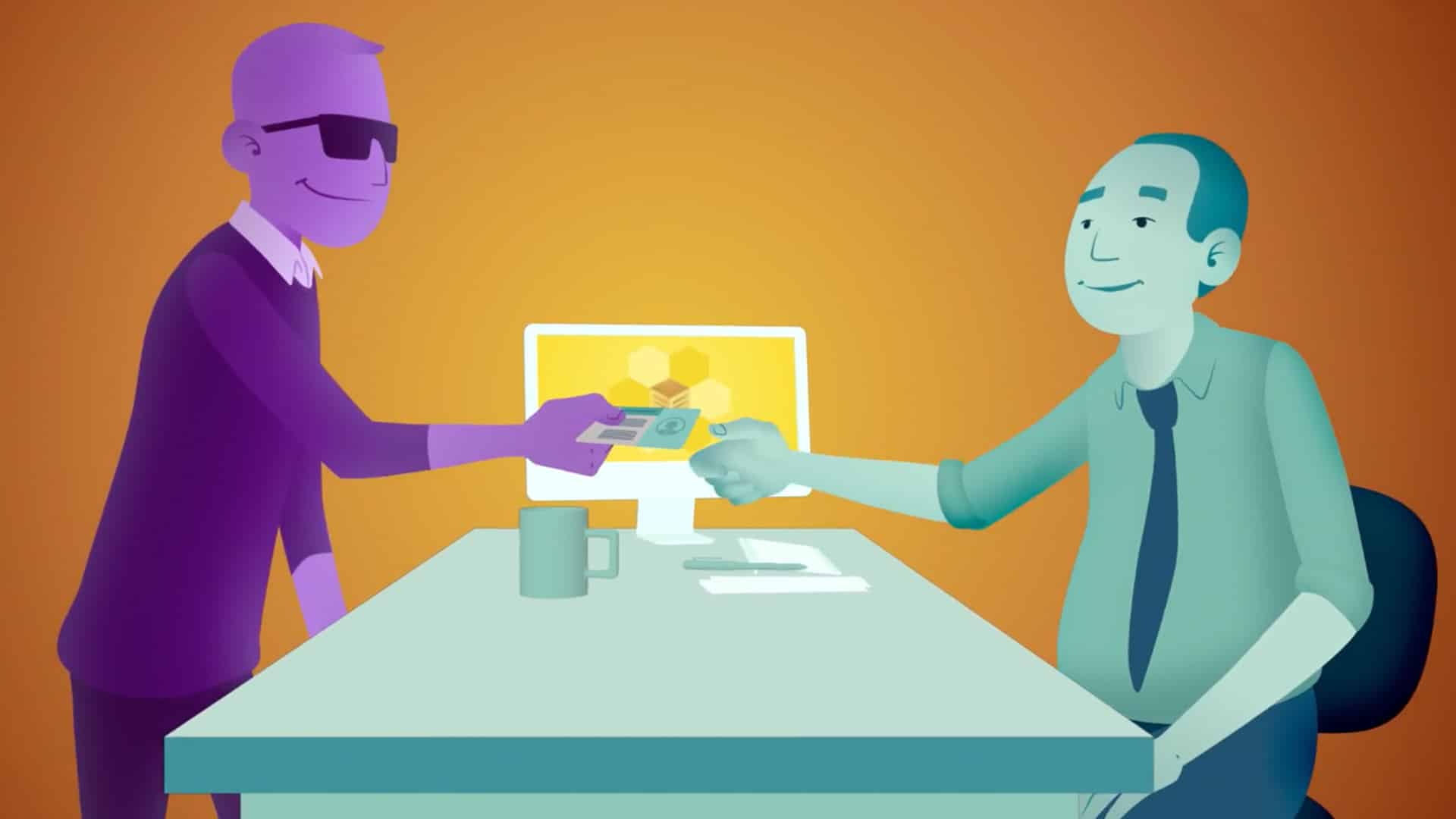
Social engineering is no longer just a plot twist in spy movies – it’s a real, growing threat in the cybersecurity landscape. As technology advances, so do the tactics used by cybercriminals to manipulate human behaviour and exploit organizational weaknesses. Understanding these emerging threats is critical for businesses looking to protect their data, customers, and reputation.
Understanding Social Engineering
Social engineering refers to the manipulation of individuals to gain unauthorised access to confidential information or systems. Unlike traditional hacking, which targets technical vulnerabilities, social engineering preys on the trust, emotions, and instincts of humans – the weakest link in any security chain.
This tactic often exploits basic human tendencies like trust, fear, urgency, and curiosity. For example, a well-crafted phishing email might exploit an employee’s fear of losing access to their account or the curiosity triggered by an unexpected job offer. These subtle psychological triggers make social engineering one of the most effective methods for breaching even the most secure organisations.
Real-World Examples of Social Engineering Attacks
- Arup $25m Deepfake Scam (2024): Hackers used deepfake technologies to dupe a member of staff into attending a video call with people believed to be the CFO and other members of staff, but all of whom turned out to be deepfake re-creations.
- The Target Data Breach (2013): Cybercriminals used phishing to steal vendor credentials, leading to the theft of 40 million credit card numbers and a massive data breach.
- The Sony Pictures Hack (2014): Attackers used phishing emails to compromise internal networks, leading to the release of confidential employee data and unreleased films.
How to Defend Against Social Engineering
- Psychological Resilience Training: Educating employees about cognitive biases that attackers exploit, like authority bias and urgency bias, to make them more resistant to manipulation.
- Employee Training: Regular training sessions to recognize and resist social engineering attempts. This includes teaching employees how to identify suspicious emails, requests, and messages.
- Zero Trust Model: Implementing a zero-trust approach where no one is inherently trusted within the network. Every access request is verified and validated, regardless of its origin.
- Multi-Factor Authentication (MFA): Adding layers of security beyond just passwords. MFA significantly reduces the likelihood of successful account compromises.
- Incident Response Plan: Preparing a clear, rapid response plan for suspected social engineering attacks. This includes isolating affected systems and communicating swiftly to limit damage.
- Regular Security Audits: Conducting regular assessments to identify and address potential vulnerabilities in both digital and physical security systems.
As these tactics evolve, the key to defence lies in creating a culture of cybersecurity awareness and vigilance within your organisation. Building this culture requires ongoing education, robust security protocols, and a commitment to continuous improvement in defence strategies.
Talk to us today to learn more about how we can help defend your organisation against these common threats! Get In Touch